1O Things That Lower Your Immune System, and How Functional Wellness Can Help You Rebuild It
Your immune system keeps your body constantly working to protect you from infections, chronic disease, and cellular damage. It quietly responds to the tiny imbalances in your body even before symptoms appear. But because it operates quietly, it’s easy for the hidden stressors to hide the symptoms that slowly chip away at your immune strength. Over time, the disruptive stressors can leave you more vulnerable to illness and fatigue.
In this article, we’ll explore 10 often overlooked factors that weaken your immunity and how you can address each one through a functional, whole-body approach.
10 Immune System Red Flags
These are just some of the common triggers that may be quietly weakening your immune system, even if you feel “pretty well” on the surface.


Chronic Stress
Prolonged stress elevates cortisol, which weakens the immune system and thwarts your body’s ability to fight infections or heal. If not addressed, stress destabilizes the nervous system. This will weaken the body’s efforts to return to balance and impact your immune resilience.How to Manage Stress
Practice nervous system regulation with meditation, yoga, or EFT tapping. These techniques help bring a sense of calm and lower cortisol levels.
Support adrenal health with B vitamins, magnesium, and vitamin C. These nutrients are vital for energy production and will help maintain a balanced stress response.
Seek meaningful social connections for emotional support. Positive, nurturing relationships reduce stress hormones and boost resilience.
2. Sedentary Lifestyle
Physical inactivity slows your lymphatic drainage, which is a crucial process that depends on muscle movement to flush out toxins and circulate immune cells. Without regular movement, immune function decreases and waste builds up in the body, and the risk of illness increases over time.
How to Get Moving:
Focus on integrating motion into your daily routine. This may include walking to do errands, taking the stairs, or using a standing desk.
Take a 10- to 15-minute walk after eating to help stabilize blood sugar, improve digestion, and stimulate lymphatic flow. It’s a simple way to support both metabolic and immune function with minimal effort.
Stretch between tasks or chores to reduce stiffness, boost circulation, and keep the lymph moving. Even just 2–3 minutes of light stretching every hour can make a noticeable difference in how you feel.
3. Poor Sleep
Quality sleep is essential for your immune system. Rest is essential in order to produce critical defense cells and keep inflammation in check. Even one restless night can disrupt the system of connection between immune cells and signaling molecules. This will leave you more vulnerable to infections and slow your recovery from illness.
How to Improve Sleep Quality
Create a relaxing pre-sleep routine like gentle stretching, reading, or meditation to signal your body it’s time to unwind and prepare for rest.
Optimize your sleep environment. Turn off screens at least two hours before bedtime, and use blackout curtains to keep your room dark and cool.
Go to bed and wake up at the same time every day, even on weekends, to reinforce your natural circadian rhythm.
4. Sleep and Refined Carbs
High sugar intake spikes insulin, increases systemic inflammation, and weakens immune cell response. It also fuels the growth of harmful gut bacteria and disrupts the delicate balance of your microbiome.. These effects can wreak havoc on the effectiveness of your immune system.
How to Cut Down on Sugar and Carbs:
Support gut health with probiotics and fiber-rich foods.
Choose whole, unprocessed foods like vegetables, fruits, and whole grains to stabilize blood sugar and nourish your gut.
Read labels to identify added sugars and refined carbs.Try swapping sweets for nutrient-dense snacks like nuts or seed
5. Nutrient Deficiencies
Your immune system relies on key nutrients to function at its best, including vitamin D, zinc, selenium, vitamin C, and omega-3 fatty acids. If you are lacking in any of these, immune cell function can be impaired and it will reduce your ability to fight off infections.
How to Replenish Your Nutrient Levels
Keep a detailed food and symptom journal for 1–2 weeks and see if you can identify any potential nutrient gaps. This information can guide your healthcare provider in choosing the most relevant tests and treatments.
Select quality and tested supplements with proven bioavailability and absorption. These include methylated B vitamins, chelated minerals, or liposomal vitamin C. Follow dosing instructions carefully to avoid under- or over-supplementation.
Choose foods rich in immune-critical nutrients. Pasture-raised meats, wild-caught fatty fish, nuts, seeds are all a great source of Omega-3’s. Leafy greens and colorful fruits and vegetables provide vitamin C and are great for increasing fiber intake. Well-sourced nutrients provide what your body needs for lasting balance.
Read also: Why Knowing Your Food’s Origins Is the Cornerstone of Functional Health
6. Overuse of Medications
Overusing medications can stealthily chip away at immune resilience by imbalancing the gut microbiome and nutrients. Even common drugs such as antacids and NSAIDS, when taken too often, can have negative effects on the immune system.
How to Balance Medication Use and Immune Health:
Use medications only when truly necessary so your body preserves its own defense mechanisms.
For common concerns, try natural options: turmeric and boswellia for pain; digestive bitters and slippery elm for reflux; and ginger and peppermint for digestive discomfort.
Review your medications regularly with your provider. Maybe you don’t need them or you can reduce the dosage. This is good to do if you have been on multiple medications long-term.
7. Gut Microbiome Imbalance
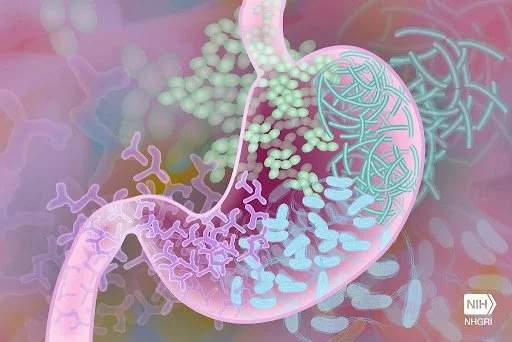
About 70–80% of your immune system is housed within your gut, making gut health essential for overall immune function. When the balance of gut microbes is disrupted (dysbiosis) or when the gut lining becomes overly permeable (leaky gut), immune signaling can become impaired. This imbalance weakens your body’s ability to defend against infections and may increase the risk of autoimmune conditions.
How to Boost Gut Health
Start with the 5R protocol:
Rebalance lifestyle factors such as stress and sleep.
Remove inflammatory triggers (gluten, sugar, processed foods).
Replace digestive enzymes or stomach acid if levels are low.
Replenish with probiotics and prebiotics.
Repair with gut-healing nutrients (L-glutamine, zinc carnosine, aloe).
8. Loneliness and Isolation
Loneliness and isolation don’t just affect your mood. They make you more vulnerable to infections and slower to recover. When you get sick, the physical symptoms often deepen feelings of sadness, creating a vicious cycle that’s hard to break.
How to Ease Loneliness:
Make time for a quick phone call or video chat with friends or family.
Engage in activities that promote bonding. Simple acts like sharing meals, giving hugs, or practicing gratitude help release oxytocin, a hormone that supports your immune system.
Consider professional support. Therapy or counseling can help improve emotional well-being and strengthen your social connections.
9. Excessive Alchohol
Excessive alcohol consumption disrupts the immune system’s first line of defense and its ability to adapt over time. It also throws off the balance of healthy gut bacteria, which are essential for immune function.

How to Shift Your Drinking Habits
If you do drink, go for cleaner choices such as dry red wine or unsweetened spirits, which are easier on your system compared to sugary cocktails or beer.
Support your liver with natural detox aids like milk thistle, NAC (N-acetyl cysteine), and dandelion root.
Set a clear intention, especially when you’re feeling run down. Cutting back on alcohol helps your body focus on healing, not detoxing.
10. Environmental Toxins
Toxins from plastics, pesticides, heavy metals, and mold place significant stress on the liver, which is responsible for detoxifying the body. When the liver becomes overwhelmed, these harmful substances can accumulate and trigger chronic inflammation. This inflammation weakens the body’s ability to defend itself against disease.
How to Enhance Detox Systems
Support liver function by eating nutrient-rich foods and drinking plenty of water. Foods like leafy greens, cruciferous vegetables (e.g., broccoli, Brussels sprouts), and antioxidant-rich fruits are great for liver function. Hydration is important to remove excessive toxins.
Engage in activities like exercise, sauna sessions, or even brisk walking to promote circulation and sweating. These help the body expel toxins through the skin and lymphatic system.
Minimize contact with environmental toxins by choosing organic produce, using natural personal care products, and avoiding plastic containers to reduce chemical leaching.
Your Immune System Wants to Heal
Functional medicine doesn’t see immunity as a quick boost, but as a lifelong foundation you build — one that helps you bounce back stronger, day after day. To get started on strengthening your immune system, focus on small, manageable steps:
Choose one or two areas above to focus on this week.
Track how your body responds.
Reach out to a functional medicine provider if you want personalized guidance and testing.
Remember, the more you create an internal environment that supports healing, the more your immune system will work for you to help you be stronger, smarter, and more balanced.
Begin Your Path to Lasting Healing
If you’re looking for a thoughtful, personalized approach to your health, Maggie Roney is here to help guide you every step of the way. Together, we will uncover the root causes and build lasting wellness from the inside out. Reach out today for a free consultation, and start your journey toward stronger immunity and balanced health.
Insights and Resources

Thermography
An introduction to thermography and how it’s used as a screening tool.
Read the article
Understanding HTMA Testing
A breakdown of HTMA testing and what it can uncover about your body’s mineral balance.
Read the article
What to Expect with Neurofeedback
What a neurofeedback session looks like and what to expect the first time.
Read the article